

This page was translated from Dutch with AI.
There is an iceberg beneath your results
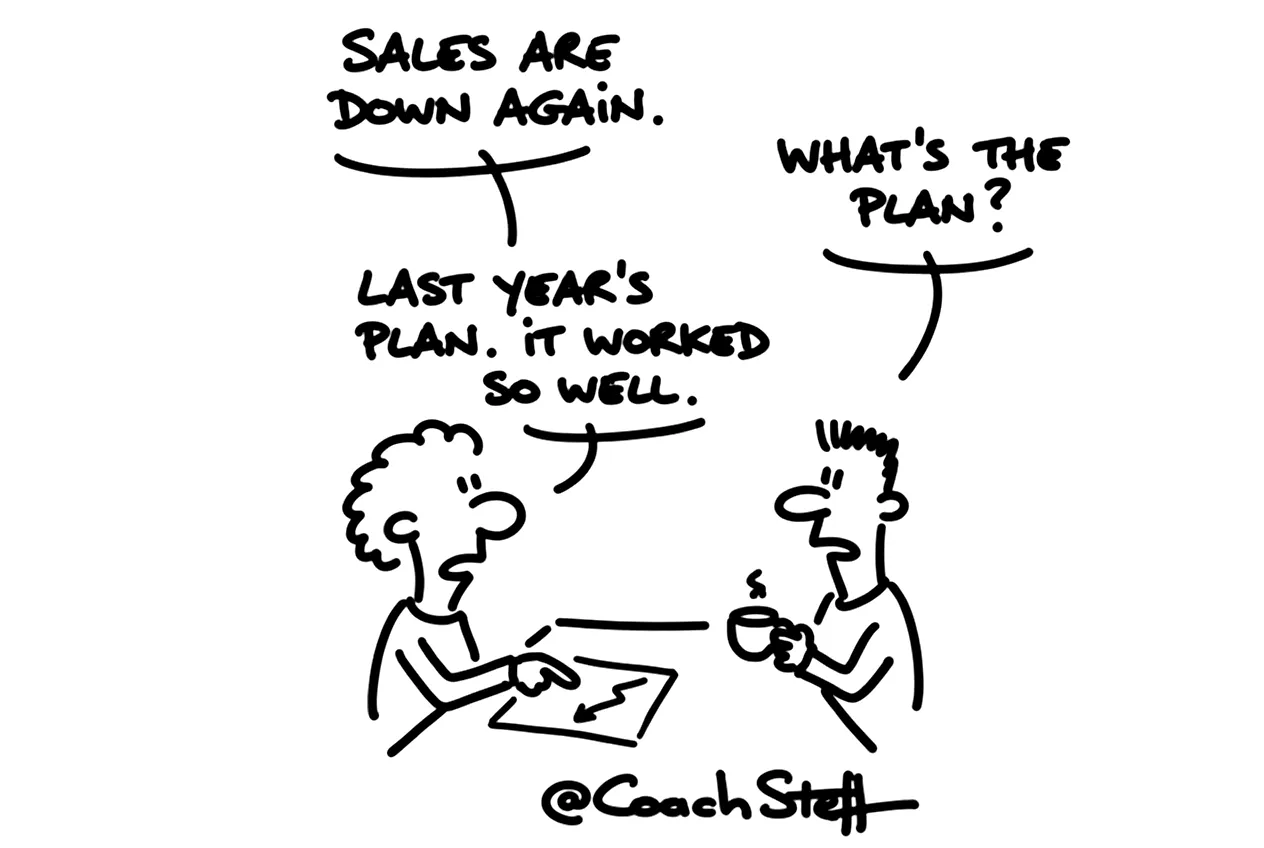
You might recognise this. The quarterly figures come in and they are disappointing. So there is a meeting, there is an action plan and everyone has to pay a bit more attention. A few months later, new figures are on the table. And they look suspiciously like the previous ones.
In a training course on futures thinking, I show the iceberg at such a moment. That is a simple model from systems thinking, and I notice that it triggers something in many people. We actually almost always look at the tip. And the cause is rarely found there.
Copy the prompt at the bottom of this article. With it, you and your AI can walk through the four layers for your own issue.
What is above the water
The tip of the iceberg is what you can observe. Those are results and events. It is raining, the sun is shining, revenue is falling. Those are all things at the end of a story, because they are the result of something else.
If you put those results on a timeline, you see the next layer. That is where patterns and trends are. It is light now and it will be dark later, and we know that because it happens like that every day. It is actually the same with your figures. One quarter says very little. If you put a few years next to each other, you see something rise, fall again and rise once more.
That is also where things often go wrong. An analyst sees a rising trend, remembers that there was a similar trend before and simply extends the line. That feels like insight. Yet it remains an assumption, because you still do not know why that line is rising.
Frequently asked questions
Keep reading for free
Register free with your e-mail address and read on. Your account opens the free articles in the learning space; the rest is for subscribers, from Learn Plus up.
Check your inbox
0 likesNo comments yetRead the comments
Comments
Members comment here and read each other's comments. Register for free or sign in to join the conversation.
Register for free or sign inNo comments yet. What do you take away?