

This page was translated from Dutch with AI.
Let one agent distribute the work
The bigger your project gets, the longer your chat with your agent becomes. In the beginning, everything goes smoothly. After a few hours, it suggests building something it already built half an hour ago. And you are left waiting until it finishes one task before you can start on the next. You might recognise this from your own projects.
In a vibe coding training, I mentioned that I have been taking a different approach for a few weeks now. You no longer let one agent build everything. You turn it into an orchestrator that distributes the work across other agents. And you only talk to it.
Copy the prompt at the bottom of this article. It will turn your agent into an orchestrator.
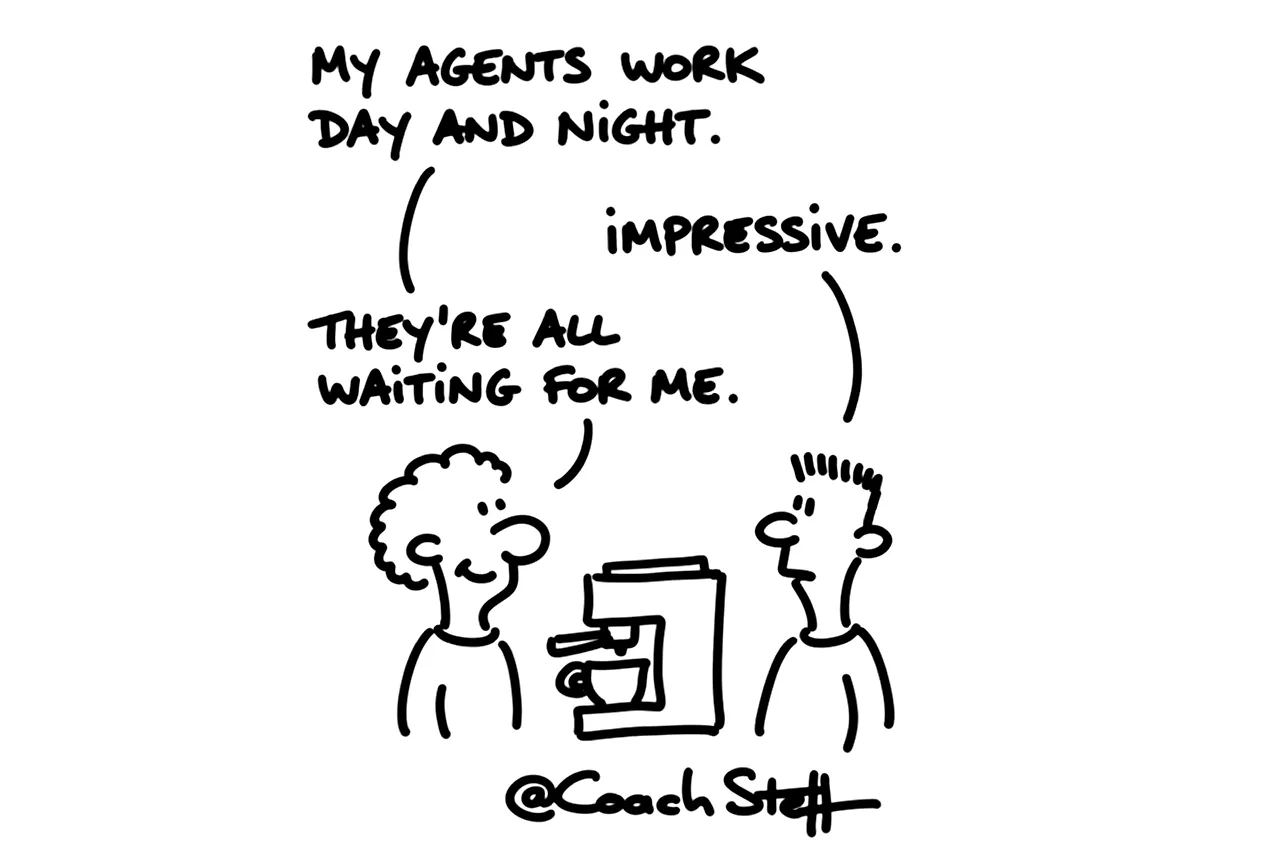
From developer to orchestrator

It starts with one sentence. I tell my agent: 'You are now the orchestrator and this is the plan.' And I add that it does not code itself. It delegates the tasks to sub-agents or to agents in other sessions. Claude Code is really built for this now, and Craft Agents too. You then see how it assigns tasks to other agents, and they complete them.
In the workshop, a participant had a step-by-step plan created from the documents of a project. I then shared that, when in doubt, you can also say that your agent is the orchestrator, and therefore does not develop itself. Then it distributes the steps of that plan across other agents.
That also helps against forgetting. An agent working in the same chat for a very long time starts to lose things, even within its context window. I would therefore start a new session as often as possible. An orchestrator does that for you, because it manages the sessions of the other agents.
Frequently asked questions
Keep reading for free
Register free with your e-mail address and read on. Your account opens the free articles in the learning space; the rest is for subscribers, from Learn Plus up.
Check your inbox
0 likesNo comments yetRead the comments
Comments
Members comment here and read each other's comments. Register for free or sign in to join the conversation.
Register for free or sign inNo comments yet. What do you take away?