

This page was translated from Dutch with AI.
AI is not Google: you are the answer machine
'If you use AI in a stupid way, it makes you stupider. If you use it in a smart way, it makes you smarter.' I say that in almost every workshop. Usually, people laugh at first. Then it goes quiet, because everyone recognises themselves in the first half of that sentence.
You might recognise this: you type a question, you get an answer and you move on. In this article, you will read why that is riskier than it seems, and how to use AI in a way that makes you sharper.
Copy the prompt at the bottom of this article, and you can let your AI challenge your own answer.
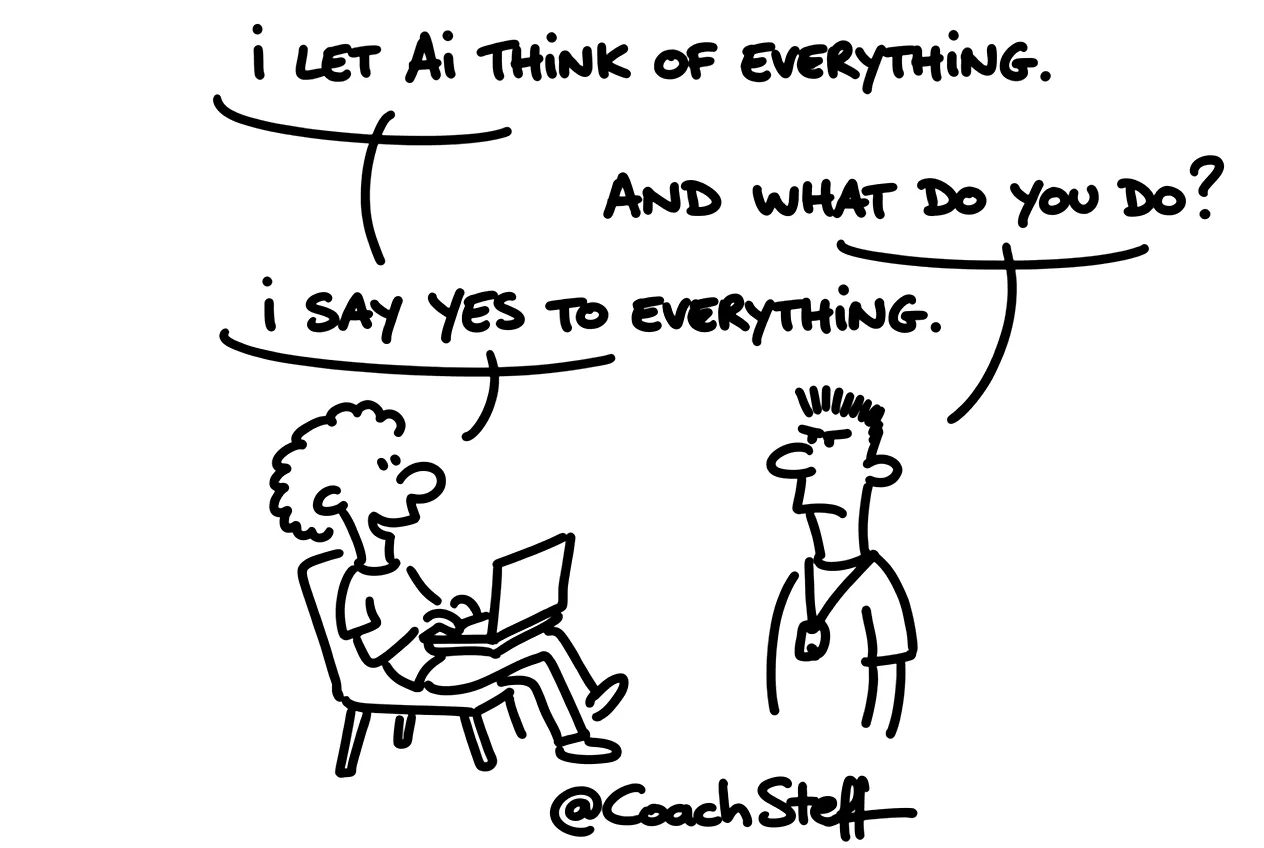
The search engine habit
Most people have been trained by search engines for twenty years. You type a question, you get an answer, you move on. It actually makes sense that you use AI in the same way. The window looks like that too: a box, a question, an answer.
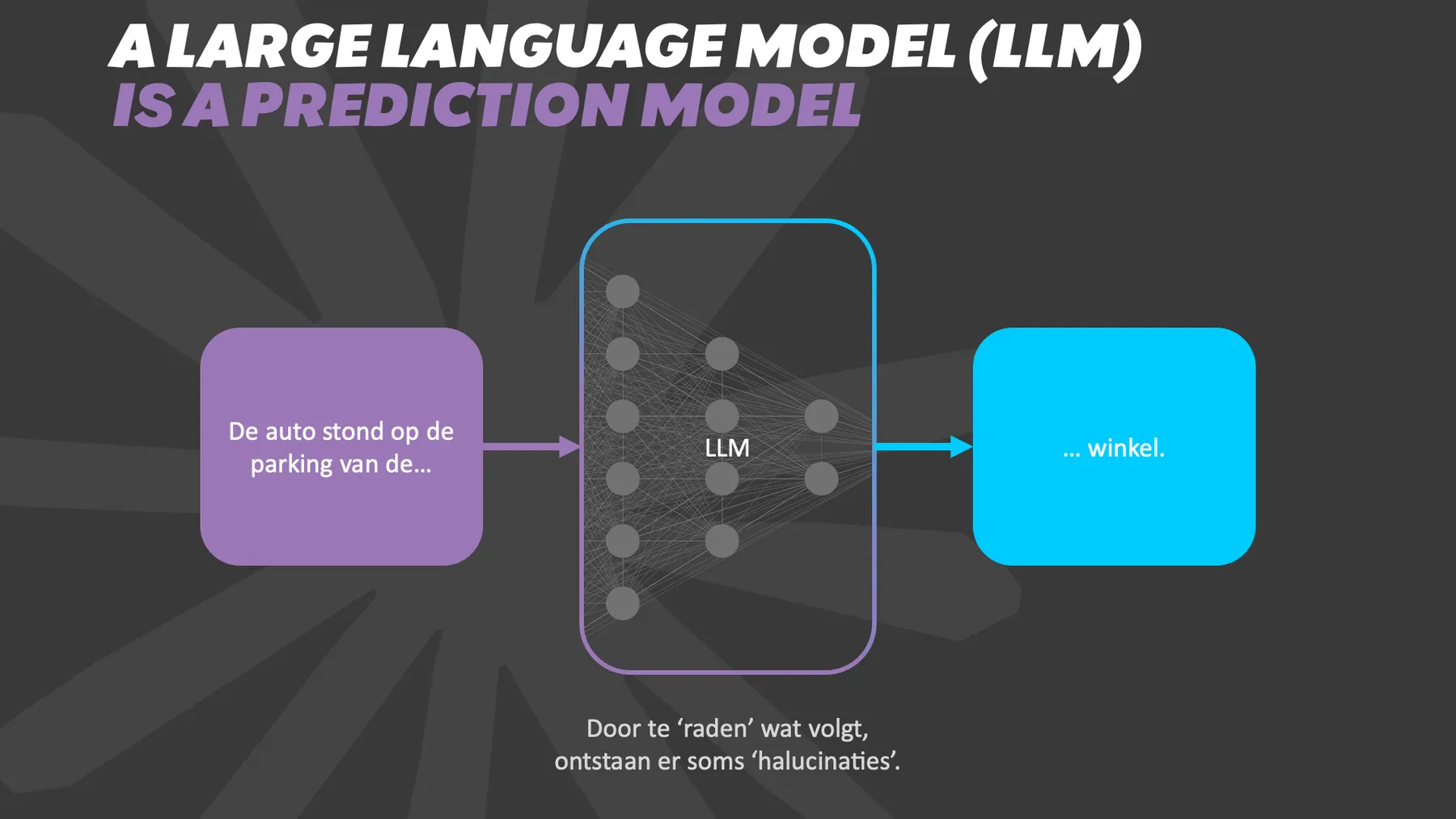
A language model works differently from a search engine. It does not look up an existing answer. It predicts, word after word, what should probably follow your question. Usually, that is surprisingly accurate. Sometimes it is not, and you do not always notice that right away. Then you get something that sounds like an answer, with quotes that were never said and numbers that come from nowhere. The only thing that is always right is the tone, because it is completely convinced of itself.
That is called hallucinating. It is part of how this technology works, so I would not wait for it to disappear next month.
Frequently asked questions
Keep reading for free
Register free with your e-mail address and read on. Your account opens the free articles in the learning space; the rest is for subscribers, from Learn Plus up.
Check your inbox
0 likesNo comments yetRead the comments
Comments
Members comment here and read each other's comments. Register for free or sign in to join the conversation.
Register for free or sign inNo comments yet. What do you take away?