
This page was translated from Dutch with AI.
Checklist, seeing what changes in a conversation
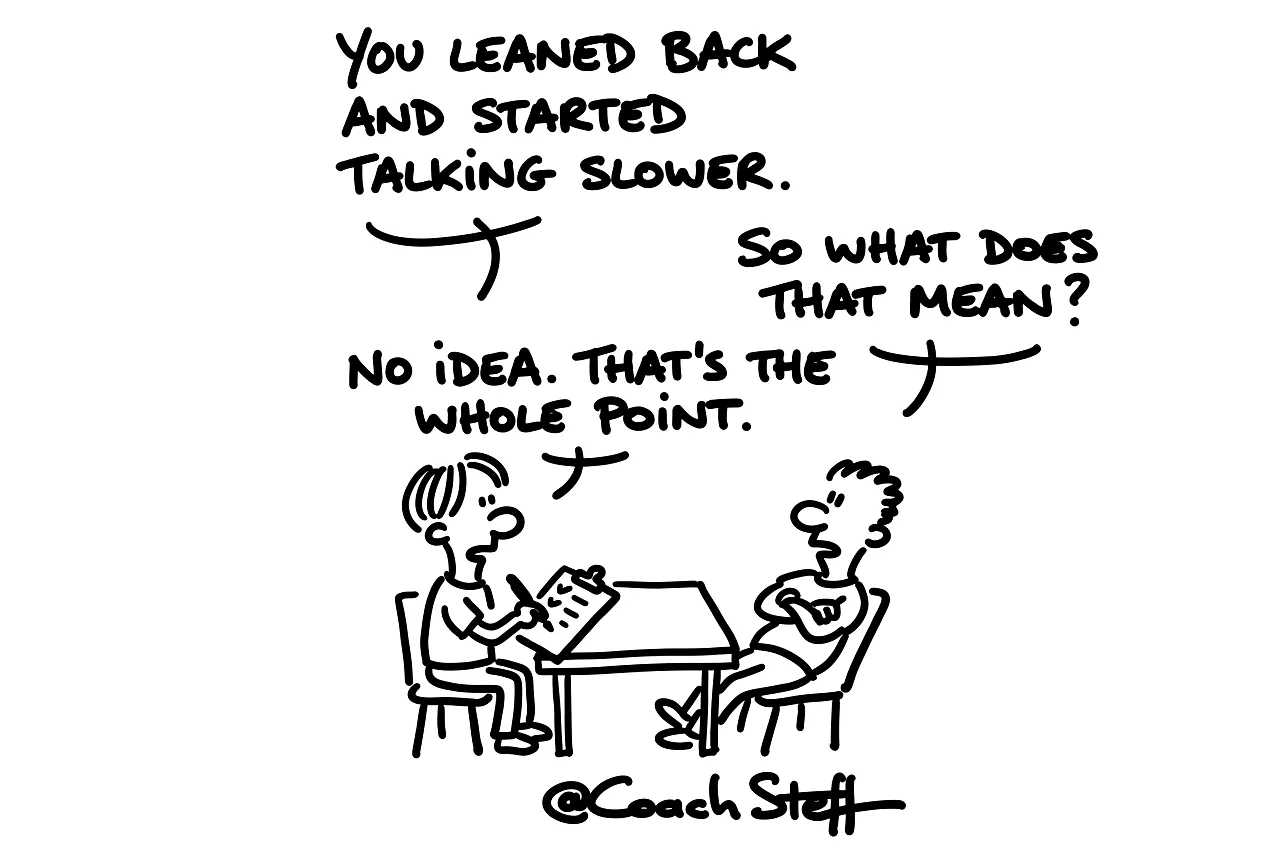
You probably know the feeling. A colleague says 'fine, let's do that', and yet you feel that it is not fine. And then you fill in what is wrong yourself. Maybe she is angry, maybe he is tired, maybe it is you. With this checklist you practise the third box on the flipchart: recognising what someone else feels. You simply look at what changes, and you describe that before you give it a meaning. Count on five minutes before a conversation and five minutes afterwards.
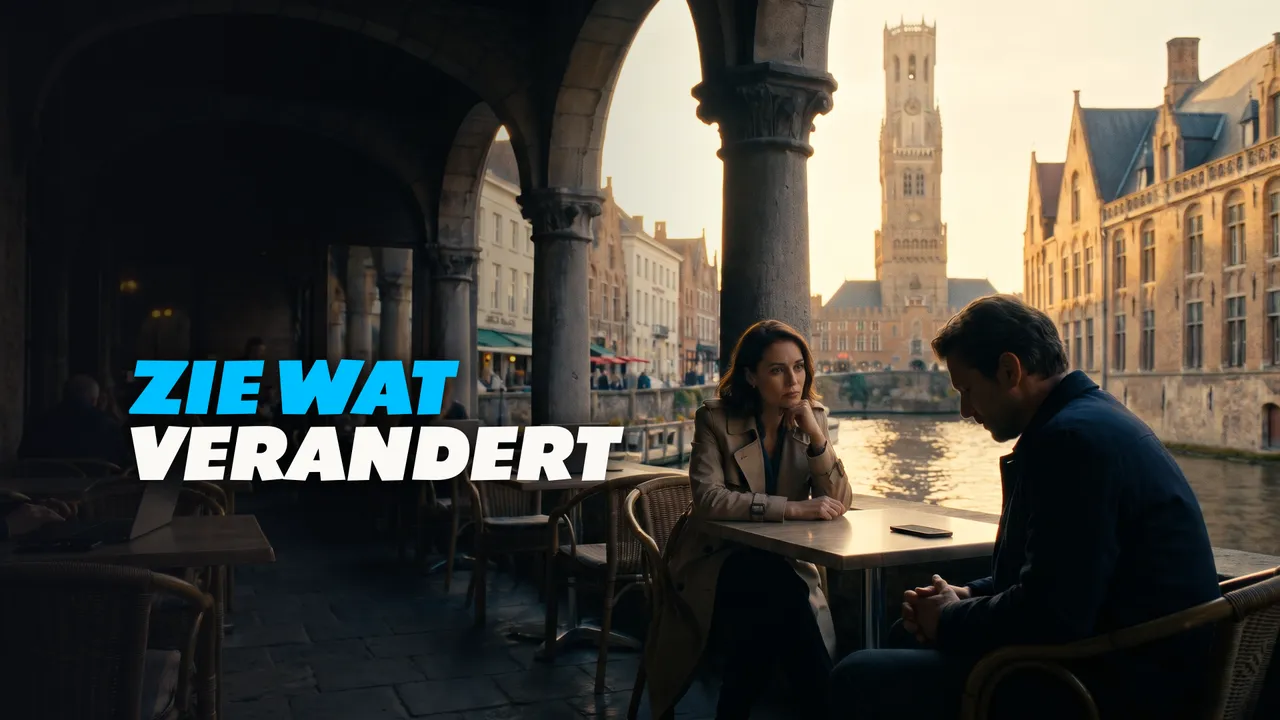
This video is for members.
Log in to watchWhat you get
You can use this first part today, in your very next meeting. These are the five things you pay attention to. In the workshop I notice that people already see all of them. Only they see them all at once, and then it becomes one vague feeling.
What you pay attention to
- Posture: how someone sits or stands, and whether that shifts.
- Gaze: where someone looks, and whether that changes.
- Gestures: what the hands do, or suddenly stop doing.
- Voice: pace, volume, pitch and pauses.
- Words: which words someone chooses, and which ones suddenly drop away.
One rule applies to all five: you pay attention to what changes, not to how someone is. Someone who is always quiet is not necessarily worried. Someone who suddenly falls silent might be.
As a Member you will find the full checklist below. First you establish a baseline, then you note what changes, and after that you describe it without filling in the blanks. There is also a section to look at the same five in yourself, and a prompt for after the conversation.
Keep reading for free
Register free with your e-mail address and read on. Your account opens the free articles in the learning space; the rest is for subscribers, from Learn Plus up.
Check your inbox
0 likesNo comments yetRead the comments
Comments
Members comment here and read each other's comments. Register for free or sign in to join the conversation.
Register for free or sign inNo comments yet. What do you take away?